
UNDERSTAND THE IMPACT
The Impact of Light Pollution on Wildlife, Ecosystems, and Our Planet
Artificial light has become so common in modern life that many of us barely notice it anymore. But excessive and misdirected outdoor lighting, known as light pollution, is having serious consequences for wildlife, ecosystems, human health, and even the climate.
According to DarkSky International, light pollution disrupts natural cycles that life on Earth has relied on for millions of years. As communities grow and night skies become brighter, the cost of losing natural darkness continues to rise.
This article explores how light pollution affects wildlife and ecosystems, wastes energy, impacts human well-being, and erodes our shared night sky heritage and why protecting darkness matters now more than ever.
How Light Pollution Harms Wildlife
Nearly half of all species on Earth are nocturnal and depend on darkness to guide essential behaviors such as hunting, migrating, breeding, and resting. Artificial light at night interrupts these patterns in ways that can be fatal.
Migratory birds, for example, rely on moonlight and starlight for navigation. When they encounter brightly lit buildings and towers, they become disoriented and frequently collide with structures. Sea turtle hatchlings instinctively follow the natural light horizon over the ocean, but artificial shoreline lighting draws them inland where survival is unlikely. Insects, many of which are vital pollinators, are irresistibly attracted to artificial light where they become exhausted or easy prey, disrupting entire food webs.
When animals lose their ability to rely on natural light cues, the ripple effects are felt throughout entire ecosystems.
Ecosystem Imbalance and Disrupted Natural Cycles
Light pollution does not only affect individual animals. It changes how entire ecosystems function. Predator and prey relationships shift when nighttime visibility changes. Feeding and breeding schedules are altered. Insect populations decline, which affects birds, plants, and soil health. Habitats become fragmented when species avoid artificially lit areas, reducing their chances of survival.
Plants are also sensitive to artificial light. Prolonged exposure can delay seasonal changes such as leaf drop and dormancy. When plants respond incorrectly to seasonal cues, pollination timing shifts, food availability becomes inconsistent, and native species struggle to compete in their own environments.
Healthy ecosystems depend on predictable patterns of light and darkness. When that balance is disturbed, biodiversity suffers.

Energy Waste, Climate Impact, and Inefficient Lighting
Light pollution is not only an environmental issue but also an energy issue. A significant portion of outdoor lighting is wasted by shining upward or outward instead of where it is needed. This inefficiency costs billions of dollars in energy each year and contributes unnecessary carbon emissions to the atmosphere.
Smarter lighting design that uses shielded fixtures, warmer color temperatures, and appropriate brightness levels can dramatically reduce energy consumption while maintaining safety and visibility. Reducing light pollution is one of the most practical and immediate steps communities can take to lower their environmental footprint.
Losing Our Night Sky Heritage
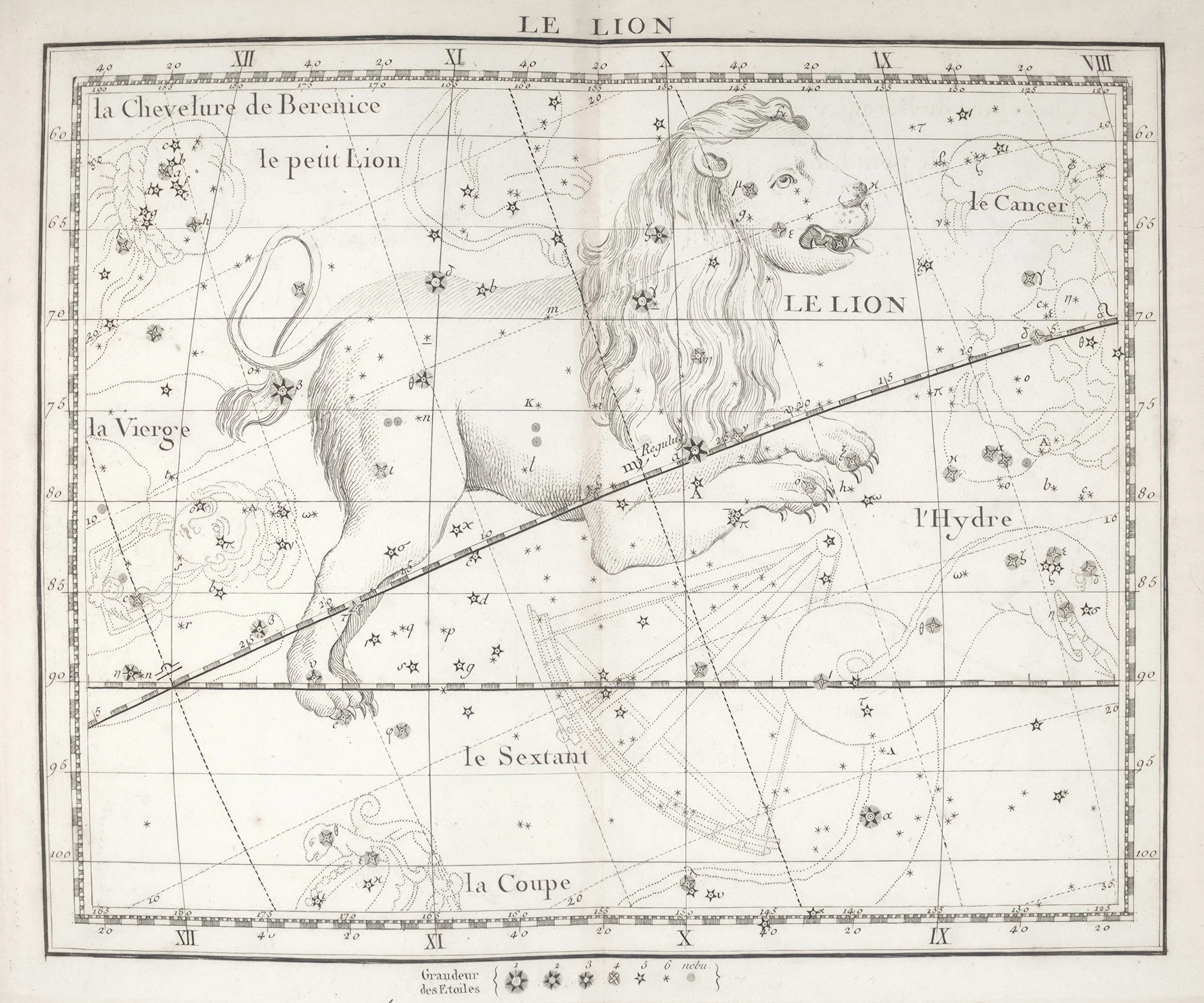
For thousands of years, humans have looked to the night sky for navigation, storytelling, scientific discovery, and a sense of wonder. Today, more than eighty percent of people worldwide can no longer see the Milky Way from where they live due to skyglow.
Light pollution erases cultural traditions, limits educational opportunities, and removes a shared human experience that has connected generations. Protecting dark skies preserves this heritage for future communities.
How Communities Can Reduce Light Pollution
Light pollution is one of the most reversible environmental problems. Small, intentional changes in how outdoor lighting is designed and used can restore natural darkness without sacrificing safety. Using fully shielded fixtures, selecting warm-colored bulbs, turning off unnecessary lights, and supporting dark-sky-friendly policies all contribute to meaningful change.
When individuals, neighborhoods, and communities work together, the night sky can be restored.